Trust Wallet: A Fresh 1200-Word Comprehensive Guide
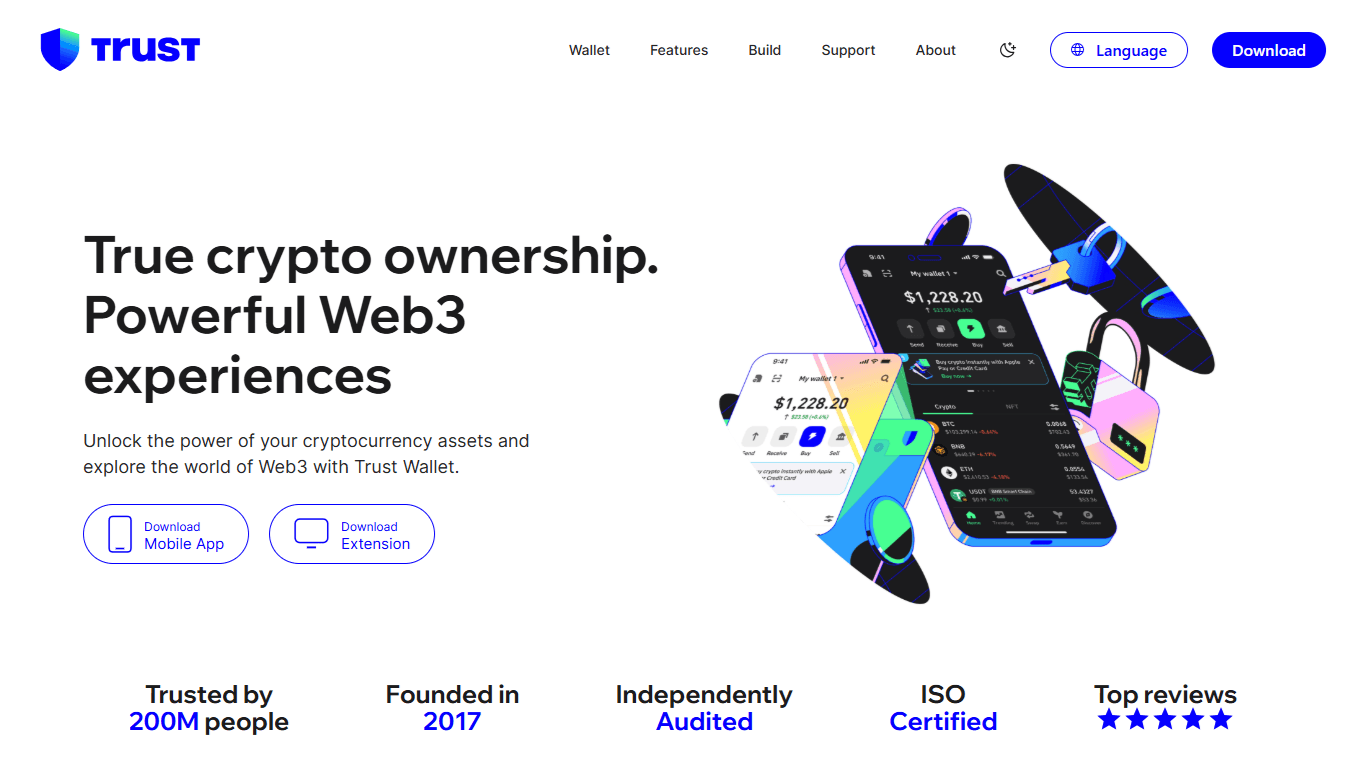
Trust Wallet is a mobile-based digital wallet designed to help people store, manage, and interact with their cryptocurrencies and blockchain assets. It is widely known for being simple, beginner-friendly, and flexible enough to support a huge number of networks and tokens. As the digital world grows quickly, Trust Wallet has become a popular option for those who want a convenient way to use decentralized apps, explore blockchain networks, and manage their assets from a single place.
This guide gives a complete overview of what Trust Wallet is, how it works, its features, how it supports different networks, and why it has become one of the most commonly recommended self-custody wallets.
What Trust Wallet Is Designed For
Trust Wallet is a non-custodial wallet. This means the person using it controls their private keys and recovery phrase. The wallet itself does not hold user funds; instead, it serves as a tool that allows individuals to interact with their own blockchain addresses securely.
People use Trust Wallet for several reasons:
Managing multiple networks in one place
Exploring decentralized applications
Storing tokens safely inside a mobile app
Viewing NFTs and interacting with digital collectibles
Transferring assets between blockchain networks
Monitoring market movements, charts, and asset values
The wallet has become especially popular with beginners because it does not require complex setups or specialized hardware. Everything is contained in a simple mobile interface that is easy to navigate.
How Trust Wallet Works
When a person installs Trust Wallet, the app generates a recovery phrase. This phrase is extremely important because it is the only way to restore access to the wallet if the device is lost or damaged. Trust Wallet does not store recovery phrases, passwords, or private keys on external servers. Everything remains local to the user’s device, encrypted and controlled by the user alone.
Once the wallet is set up, the user can add accounts, access supported networks, and explore decentralized applications. Trust Wallet supports thousands of tokens, meaning users do not need separate apps for different blockchains. Instead, they can switch between networks within the same interface.
Supported Blockchains and Tokens
One reason Trust Wallet is widely used is its massive network support. It is compatible with many major blockchains, and more are added over time. Some of the most commonly used networks include:
Bitcoin
Ethereum
BNB Chain
Polygon
Solana
Avalanche
Tron
Fantom
Litecoin
Dogecoin
For Ethereum and similar chains, Trust Wallet automatically detects supported tokens once the network is added. This helps people organize their assets without needing multiple tools.
The wallet also includes support for NFTs. Users can view their digital collectibles directly in the app, along with details such as attributes, ownership information, and network data.
User Interface and Navigation
The interface of Trust Wallet is designed for mobile convenience. It is divided into clear sections, such as:
1. Wallet Overview
This is the home screen where users see their assets, total balance, and individual token values. Each asset displays its market price, percentage changes, and historical movement.
2. Token Details
Selecting an asset opens a unique page that shows transaction history, balances, and transfer options. Users can send, receive, or buy supported tokens directly through the interface.
3. DApp Browser
The decentralized application browser allows users to interact with blockchain apps, including marketplaces, games, decentralized exchanges, and more. This browser is a defining feature of Trust Wallet because it enables direct interaction without leaving the app.
4. Settings and Security
The settings menu allows users to configure security preferences, manage networks, adjust display options, and control how the wallet behaves.
The simple layout makes Trust Wallet comfortable for all experience levels.
Security Structure of Trust Wallet
Although it is easy to use, Trust Wallet incorporates several important security principles:
Self-custody model
Trust Wallet provides access to private keys but never stores them outside the user’s device. This design gives full control to the individual and prevents centralized breaches that affect custodial platforms.
Local encryption
The wallet encrypts sensitive information locally, adding protection against unauthorized access to the mobile device.
Recovery phrase access
The recovery phrase is the only way to restore the wallet. Trust Wallet warns users not to share this phrase with anyone and not to store it digitally in unsafe locations. Since the phrase unlocks all wallet accounts, keeping it private is essential.
App-level security features
Users can enable features such as:
Biometric authentication
Password access
Manual approval prompts
These help protect the app from unauthorized entry.
Sending and Receiving Digital Assets
Trust Wallet makes transactions simple. To receive crypto, users generate a receiving address from the home screen. Most networks offer QR codes, copied addresses, or sharing options to make the process quick.
To send assets, users enter the recipient address and the amount they want to transfer. Trust Wallet calculates network fees, which vary depending on the blockchain. Before sending, the app displays a confirmation page where all details must be reviewed. This reduces mistakes and ensures the user understands the transaction before submitting it.
Exploring the DApp Browser
One feature that sets Trust Wallet apart from many mobile wallets is its built-in DApp browser. This tool lets users directly access decentralized applications, including:
NFT marketplaces
Blockchain-based games
Decentralized exchanges
Staking platforms
Liquidity pools
Utility tools built on Web3 networks
The DApp browser allows people to participate in blockchain ecosystems without switching to other apps. Because many decentralized platforms require wallet connections, Trust Wallet simplifies the process by integrating the browser within the wallet.
Cross-Network Compatibility and Flexibility
Trust Wallet thrives on flexibility. It supports tokens across different standards, such as:
ERC-20 and ERC-721
BEP-2 and BEP-20
SPL
TRC-20
Many layer-2 networks
This level of multi-chain support helps users manage diverse blockchain assets without downloading multiple wallets.
The wallet also allows customization of networks. Users can add networks manually if they want to interact with smaller blockchains or specific test networks.
Portfolio Tracking and Market Awareness
Trust Wallet offers simple but useful market-tracking features. Users can follow token prices, check historical movements, and study charts. These tools help people keep track of portfolio values and understand market trends without needing external apps.
Although the wallet does not offer advanced trading features, its basic market tools provide enough information for everyday asset monitoring.
Staking and Earning Features
Some blockchain networks allow users to earn rewards by staking their tokens. Trust Wallet supports staking for several networks, giving users options to participate in blockchain ecosystem operations directly from the app.
Staking rewards vary by network, and conditions differ. Users are encouraged to understand the risks and benefits before participating, but Trust Wallet makes the process accessible through simple menus.
Why People Choose Trust Wallet
Trust Wallet’s popularity comes from several strengths:
All-in-one experience: A large variety of networks and tokens can be handled within the same app.
Beginner-friendly interface: Clear menus and simple steps make it easy to learn.
Strong self-custody model: Users control their own private keys and recovery phrases.
Built-in DApp browser: Many apps can be opened directly within Trust Wallet.
Large NFT and token support: The wallet detects supported assets automatically.
Mobile convenience: Everything is accessible from a single mobile device.
These features combine to create a comfortable and flexible digital-asset management tool.
Conclusion
Trust Wallet is a complete, user-friendly, and secure mobile wallet for managing blockchain assets. It supports many networks, allows interaction with decentralized applications, and gives users full control over their private keys. Its simplicity, combined with powerful features like the DApp browser, staking options, and NFT support, makes it a reliable choice for anyone exploring the world of digital assets.