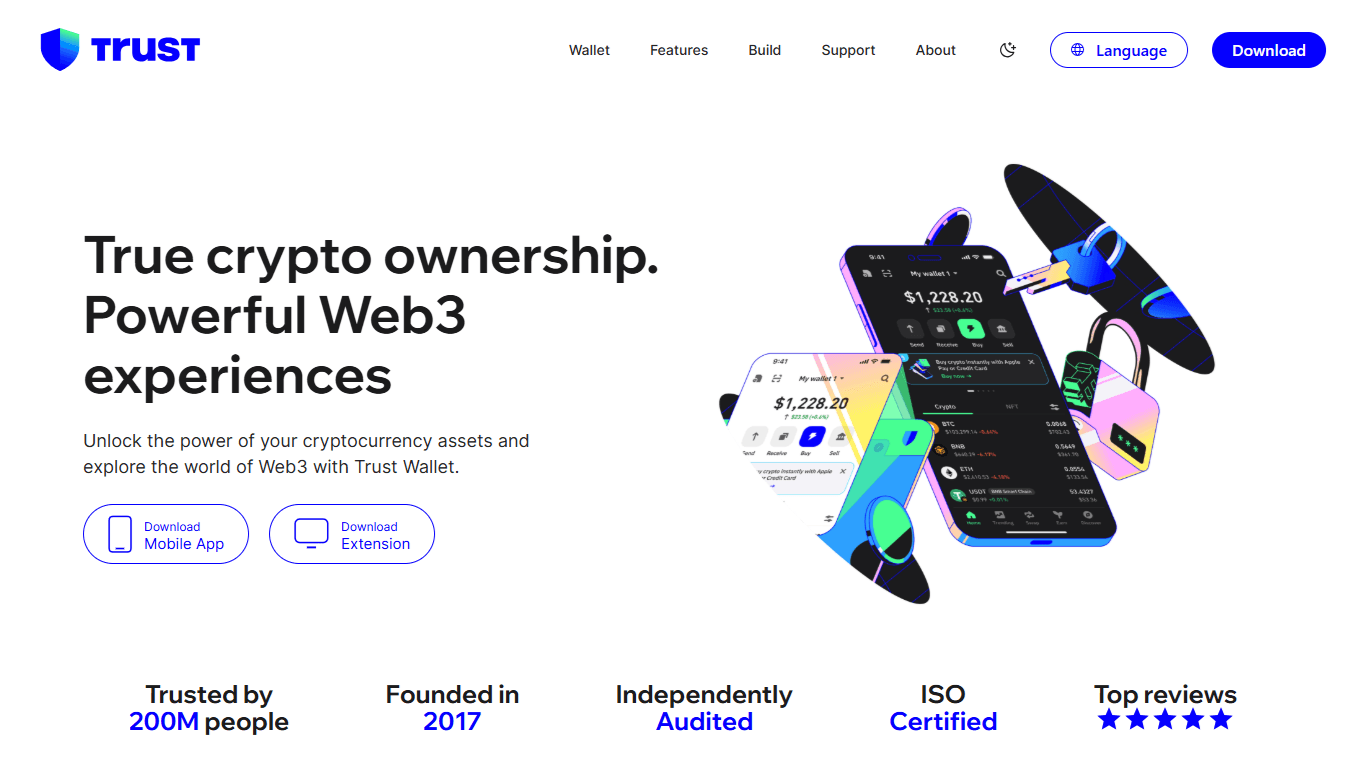
Trust Wallet: A Complete 1200-Word Overview
Trust Wallet is a popular digital-asset management application designed to give users a convenient way to store, view, and manage different types of blockchain-based assets. Instead of relying on centralized platforms or custodial services, Trust Wallet allows individuals to keep control of their private keys and manage their digital items directly from their own device. Over the years, it has become widely known for its simple interface, extensive asset support, and focus on accessibility.
This 1200-word guide offers a detailed overview of Trust Wallet—its purpose, design philosophy, features, user experience, and the reasons behind its popularity.
1. The Purpose of Trust Wallet
Trust Wallet was created to make blockchain use easier for everyday users. Digital assets can be confusing, especially with so many networks, token standards, and decentralized tools, so Trust Wallet aims to simplify the process by putting everything in one application.
People use Trust Wallet for activities such as:
Viewing their digital assets in one place
Managing different blockchain networks
Exploring decentralized applications (dApps)
Ensuring that they maintain control of their private keys
Unlike some platforms where the service provider holds the keys, Trust Wallet gives the user full responsibility for managing their own security. This design appeals to those who want autonomy and direct control over their digital belongings.
2. A Multi-Asset, Multi-Chain Wallet
One of the most appealing features of Trust Wallet is its ability to support a wide variety of blockchain networks. Instead of downloading separate apps for each network, people can use Trust Wallet as a single interface that displays assets from multiple blockchains.
Supported blockchain ecosystems include:
Major networks like Bitcoin, Ethereum, and BNB Smart Chain
Layer-2 networks
Networks built for NFTs
Networks supporting many different token standards
Since blockchain ecosystems vary widely, Trust Wallet’s multi-chain foundation helps users keep things organized, reducing confusion and making navigation easier.
3. Non-Custodial Structure
Trust Wallet is a non-custodial wallet, meaning users retain ownership of their private keys. The app does not store keys on external servers or hand control over to any third party. This structure is especially important in the blockchain world, where security and personal control are major considerations.
A non-custodial design means:
Users are fully responsible for their own security
Only the user can access their digital items
No company or platform holds custody over the wallet
While this empowers users, it also means they must follow good security habits to keep their information safe. Trust Wallet emphasizes this through its educational approach and built-in reminders about personal responsibility.
4. User-Friendly Interface
One reason Trust Wallet became so popular is its simple and intuitive interface. Even people who are new to blockchains can navigate the basic layout without feeling overwhelmed. The app is organized into sections that help users find what they need quickly.
The interface typically includes:
• Asset Overview
A dashboard that shows all stored digital items in one place. Users can view balances, token details, and network information without navigating through complicated menus.
• Network Wallets
Each blockchain has its own wallet section, keeping things structured and reducing accidental confusion between networks.
• dApp Browser
Trust Wallet’s built-in browser allows exploration of decentralized applications. These include blockchain-based platforms, marketplaces, and various tools that function without centralized control.
• Settings and Security Controls
Users can adjust display preferences, turn on security features, and personalize their experience to match their comfort level.
Trust Wallet’s layout is designed to be beginner-friendly while still offering depth for more advanced users.
5. Viewing and Organizing Digital Assets
Trust Wallet supports a broad range of digital items, such as:
Cryptographic tokens
Collectibles and NFTs
Multi-chain assets
Utility tokens used inside decentralized applications
The app automatically recognizes many token standards, making it easy to view balances without performing manual tasks. For tokens that are not automatically detected, users have the option to add them manually by entering information like token names and contract details. This flexibility helps ensure the wallet remains compatible with a wide scope of digital ecosystems.
6. dApp Exploration
One of Trust Wallet’s defining features is its support for decentralized applications. dApps are programs built on blockchain networks that operate without a traditional central authority. Users may explore dApps for purposes such as learning, interacting with blockchain tools, or accessing features associated with decentralized services.
The built-in browser gives people a simple way to navigate dApps without leaving the wallet environment. This reduces the need to switch between different apps and allows all interactions to remain organized.
7. Security Principles of Trust Wallet
Trust Wallet’s security model emphasizes user ownership and responsible management. Since it is non-custodial, the app never takes possession of the user’s private keys or sensitive information. The system is designed with several important security concepts:
1. Local Key Storage
Keys are generated and stored on the user’s own device, not on external servers.
2. User-Controlled Recovery Data
The recovery information is controlled by the user. This structure ensures that access is never shared with companies, custodians, or cloud services.
3. Encrypted Local Environment
The app uses encryption mechanisms to protect locally stored data.
4. Privacy-Oriented Design
Trust Wallet does not require personal identity information to function. This privacy-focused design appeals to users who prefer autonomy.
Because of its strong security model, Trust Wallet encourages users to practice safe storage habits and treat their access credentials carefully.
8. Customization Options
Trust Wallet includes multiple personalization features that allow users to tailor the experience to their preferences. These may include:
Interface color preferences
Notification controls
Network management tools
Token display customization
dApp browser preferences
These options make the wallet flexible, allowing beginners to keep things simple while giving advanced users room to work with more detailed features.
9. Constant Updates and Improvements
The blockchain world evolves rapidly, with new networks, tokens, and technologies appearing frequently. Trust Wallet maintains regular updates to improve performance, expand compatibility, and ensure a smooth user experience.
Updates may include:
New network integrations
Improved interface design
Enhanced performance and speed
Additional tools for managing digital items
Fixes that address bugs or inconsistencies
By staying updated, Trust Wallet continues to serve as a modern and adaptable tool for digital-asset management.
10. Why Trust Wallet Is Widely Used
Trust Wallet has become one of the most recognized multi-asset wallets for reasons such as:
Ease of use: Beginners can learn the basics quickly.
Multi-chain support: Many networks are supported in one place.
Non-custodial design: Users maintain ownership of their digital items.
dApp integration: Built-in tools make blockchain exploration smoother.
Widespread compatibility: Supports a large range of assets and token types.
Free to use: The wallet itself does not charge fees for basic functions.
These qualities have helped Trust Wallet become a trusted tool for people who want a decentralized and user-controlled system for managing digital items.
Conclusion
Trust Wallet is a powerful and flexible tool that brings together multiple blockchain networks, digital items, decentralized applications, and security principles in one app. Its non-custodial structure gives users complete ownership of their private keys, while its interface keeps things simple, organized, and accessible. With regular updates, strong security fundamentals, multi-chain support, and an approach that prioritizes user control, Trust Wallet continues to be one of the most widely used digital-asset management platforms today.